
Emergency Plumbing Repair in Vernon Hills, IL
Professional emergency plumber Vernon Hills dispatched from 220–290 Hawthorn Road in the Village of Vernon Hills. Code-compliant workmanship, upfront diagnostic evaluations, and reliable Lake County service.
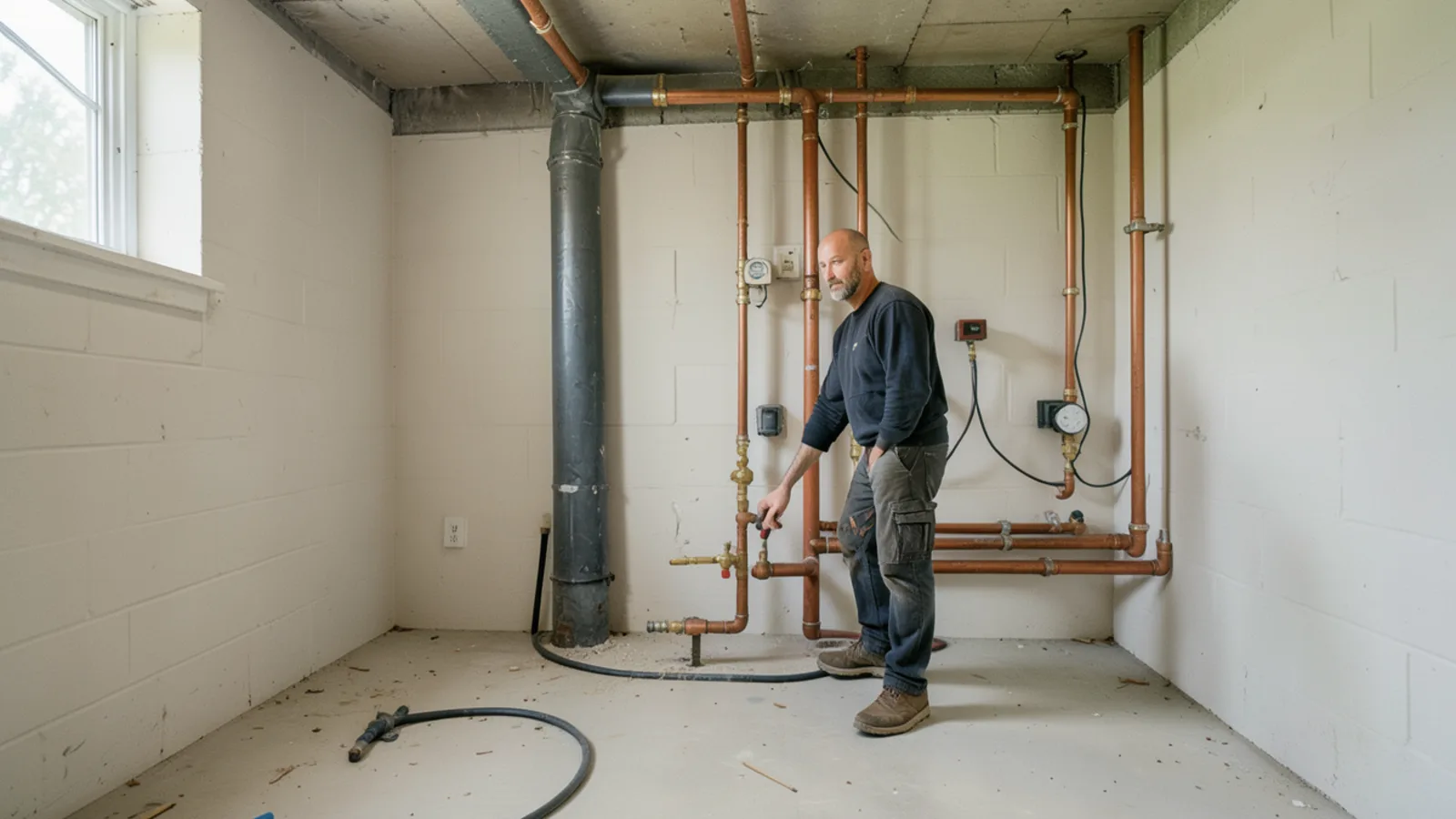
Immediate Emergency Triage: Urgent Safety Protocol
If water is spraying or pooling rapidly, isolate your home's main water shutoff valve immediately (typically located where the water supply line penetrates the basement slab). Do not enter standing basement water if electrical outlets or appliances are submerged. Call our emergency dispatch line at (207) 419-2600.
Emergency Plumbing Repair in Vernon Hills, IL
When a catastrophic plumbing failure occurs in your Vernon Hills residence, immediate response prevents widespread structural water damage, electrical hazards, and mold contamination. Dispatched directly from our shop at 220–290 Hawthorn Road, our experienced plumbers arrive equipped to isolate failures, stabilize your plumbing system, and execute permanent code-compliant mechanical repairs.
Residential properties throughout the Village of Vernon Hills—from older subdivisions in Greentree and Deerpath to newer developments in Grosse Pointe and Plymouth Farms—face intense mechanical stress. Severe Midwestern winter freezes, fluctuating municipal line pressure, and high groundwater tables create prime conditions for sudden piping ruptures, water heater vessel blowouts, and basement sump failures. Rather than relying on generic dispatch brokers or unverified handymen, calling our direct local number connects you immediately with technicians who understand Lake County building infrastructure, local frost line depths, and the Illinois Plumbing Code (77 Ill. Adm. Code 890).
What Our emergency plumber Vernon Hills Scope Includes:
- Pressurized domestic water supply line ruptures and severe ceiling leaks
- Catastrophic basement sump pump failure during severe Lake County storm events
- Raw sewage backflow surging through lower-level floor drains, showers, or ejector pits
- Water heater tank fractures releasing boiling water across basement utility slabs
- Frozen interior supply pipes along exterior rim joists, cantilevered floors, and unheated garages
- Main residential water shutoff valve seizing, mechanical failures, and meter line breaks
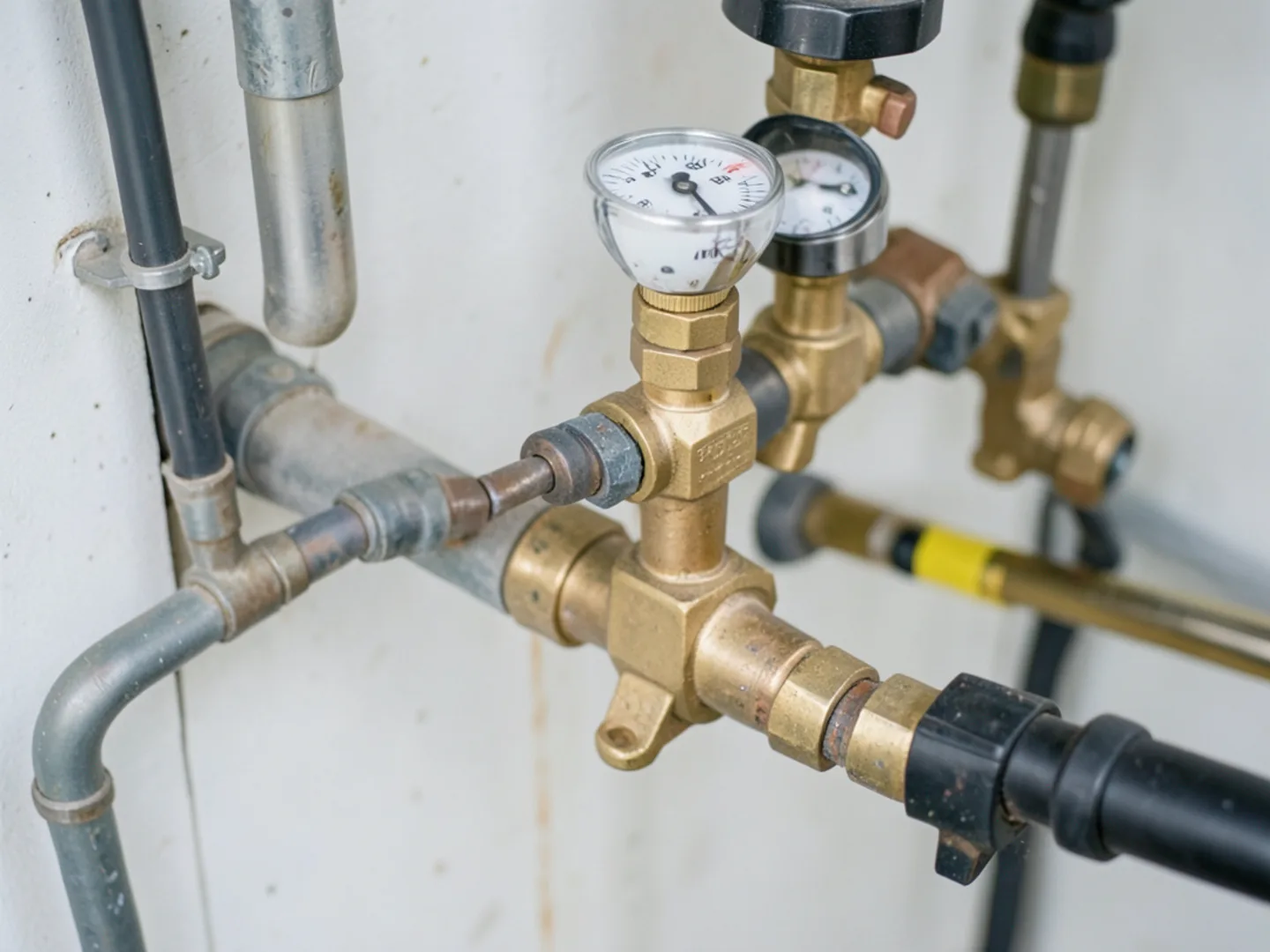
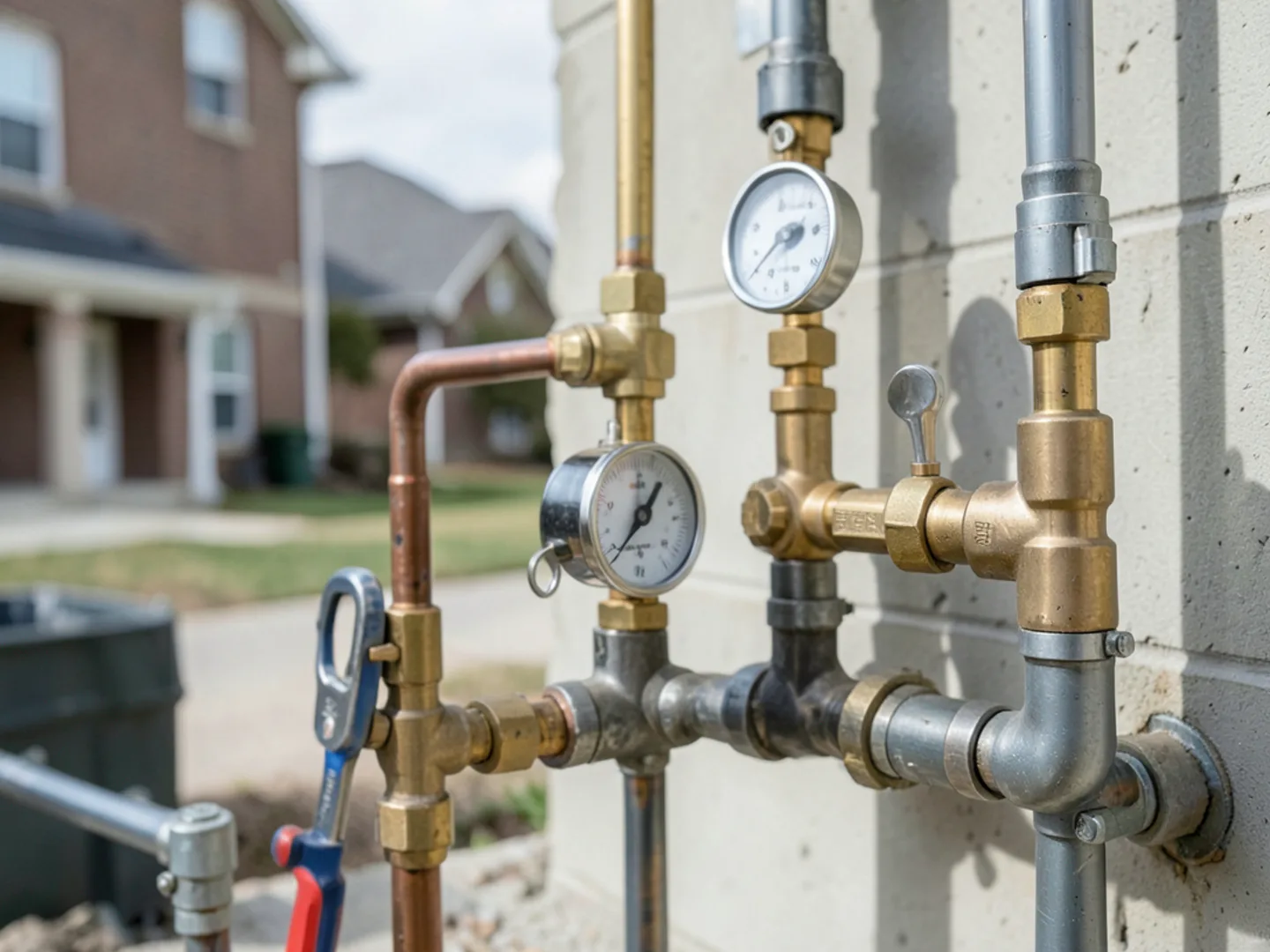
Common Mechanical Failure Vectors in Vernon Hills Residences
Understanding why emergency plumbing failures occur helps homeowners identify warning signs before catastrophic flooding occurs. In Central Lake County, residential plumbing is subjected to unique local environmental and physical forces:
Dense Glacial Clay & Hydrostatic Pressure
Vernon Hills sits upon dense, slow-draining glacial clay soils. During heavy spring rainstorms or sudden snowmelt, groundwater cannot dissipate quickly, building immense hydrostatic pressure against basement foundations and forcing sump pumps to cycle continuously under heavy strain.
Sub-Zero Polar Vortex Freezing
Lake County winters frequently experience temperatures dropping well below 0°F with severe windchills. Uninsulated domestic copper lines running near rim joists, soffits, or drafty exterior walls freeze rapidly, causing internal ice expansion that splits pipe walls lengthwise.
Sediment Accumulation & Thermal Stress
With Vernon Hills municipal water carrying moderate mineral hardness, calcium scale deposits settle at the base of water heater tanks. This insulating mineral layer causes hot spots, overheating the tank bottom and accelerating tank metal fatigue until sudden rupture occurs.
Aging Sump & Ejector Float Switches
Many Vernon Hills homes built in the 1980s and 1990s still rely on mechanical vertical float switches that corrode or hang up on basin walls, causing pumps to fail to engage precisely when high storm runoff enters the pit.
Need Reliable emergency plumber Vernon Hills?
Speak with an experienced plumbing technician dispatched directly from our Hawthorn Road facility in Vernon Hills. Honest evaluations, code-compliant workmanship.
Our On-Site Diagnostic & Installation Procedure
1. Immediate Phone Triage & Pre-Arrival Guidance
The moment you call our Hawthorn Road dispatch, our technicians guide you through locating your home's main water shutoff valve and advise on electrical safety protocols while our service truck heads to your property.
2. Rapid On-Site Hazard Isolation
Upon arrival, we immediately inspect the perimeter for electrical dangers in standing water, isolate localized gas or water feeds, and secure the compromised area to prevent further structural damage.
3. Acoustic, Thermal & Visual Diagnostics
Using non-invasive thermal imaging cameras, moisture meters, and acoustic pipe listening devices, we pinpoint hidden leaks behind drywall, beneath slabs, or within ceilings without unnecessary destructive demolition.
4. Code-Compliant Mechanical Repair
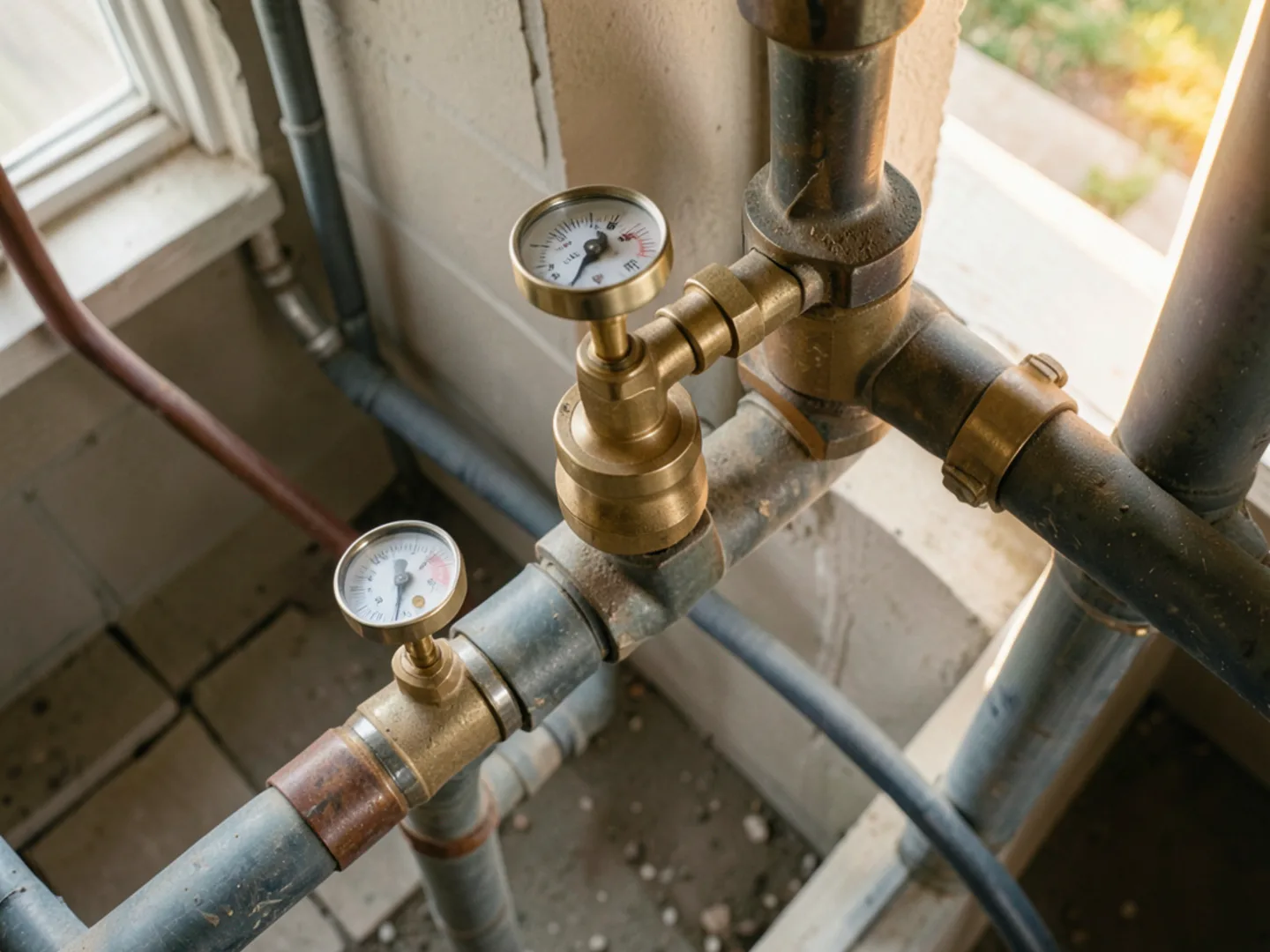
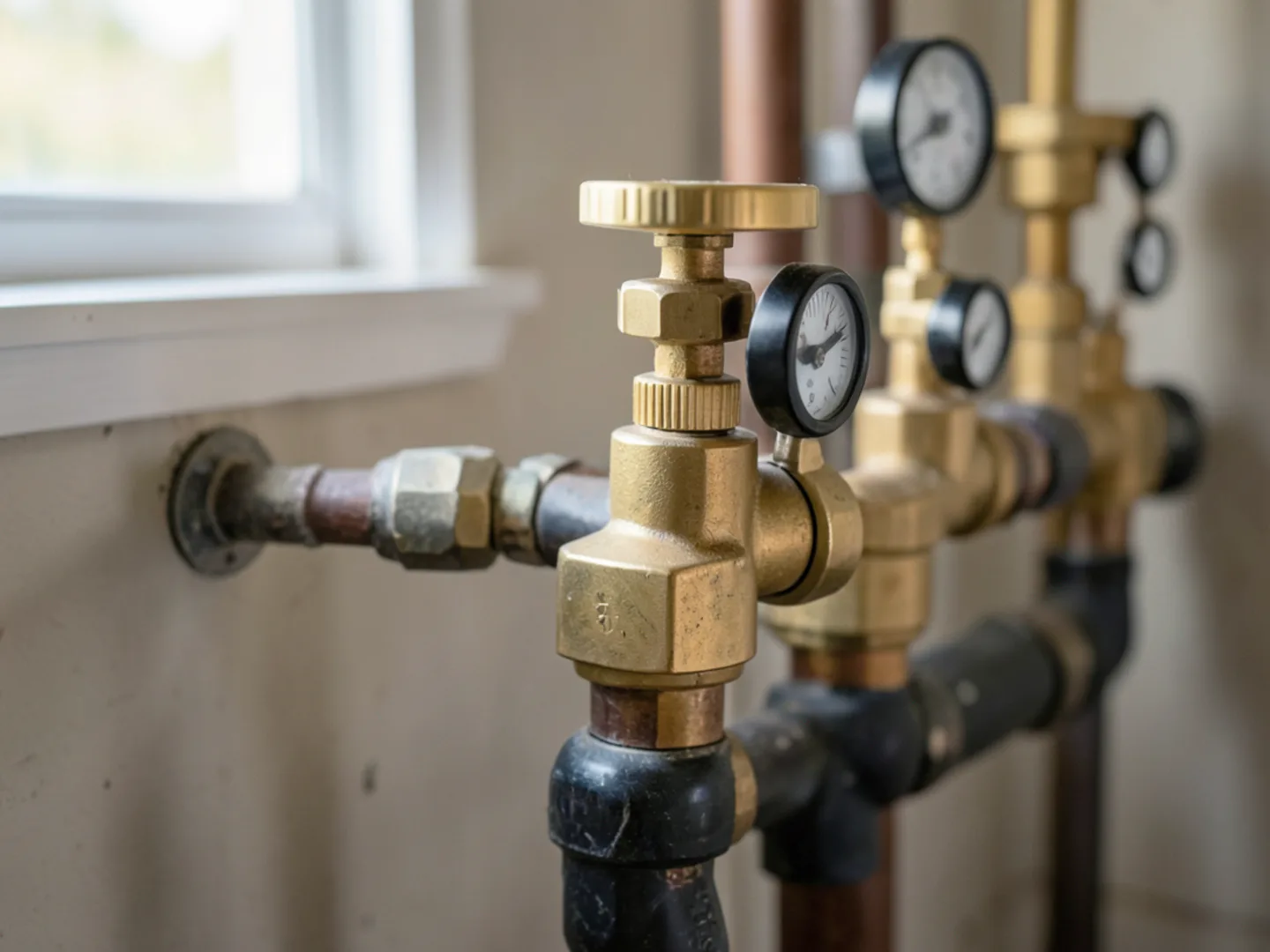
Our plumbers excise split piping, replace failed valves with heavy-duty full-port brass valves, or install new cast-iron submersible pumps according to the Illinois Plumbing Code (77 Ill. Adm. Code 890).
5. Pressure Testing & Operational Verification
Before concluding the emergency call, we pressurize the repaired lines, inspect all joints under full operating pressure, cycle all connected drainage fixtures, and review long-term preventative measures.
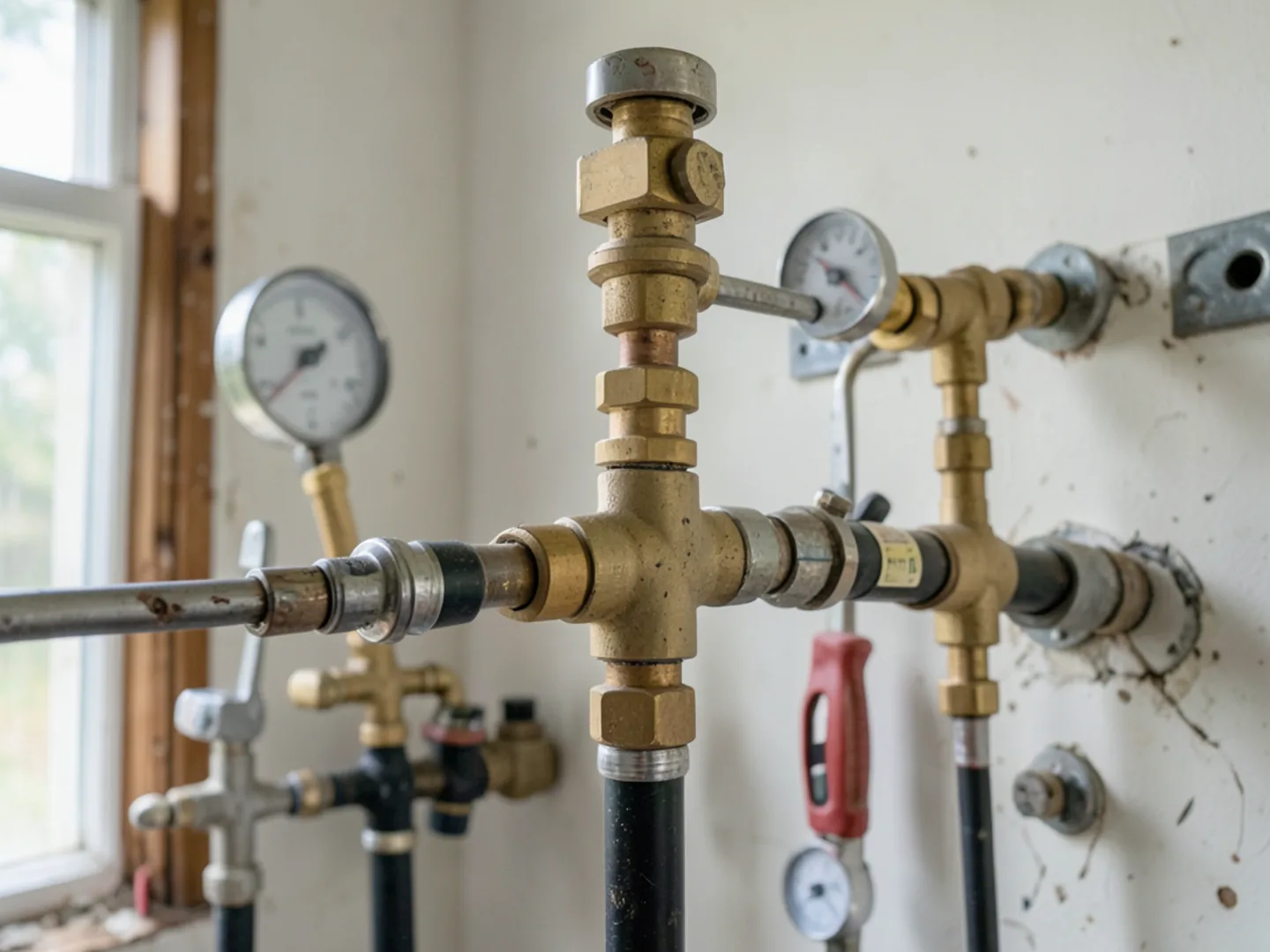
Transparent Emergency Plumbing Cost Factors
Emergency plumbing situations require rapid decisions, and we believe homeowners deserve absolute clarity regarding how repair costs are calculated. Rather than unpredictable pricing, our costs reflect objective engineering requirements:
- Physical Accessibility: Repairing an exposed pipe in an unfinished basement mechanical room involves far less labor than accessing a broken supply line concealed behind tiled shower walls or within second-story floor cavities.
- Equipment & Material Specifications: Replacing a failed pump with a heavy-duty 1/2 HP cast-iron Zoeller pump, installing commercial-grade brass ball valves, or running Uponor PEX-a expansion piping directly influences material costs.
- Scope of System Damage: A localized split on a 3/4-inch domestic copper pipe requires less time and materials than repairing multiple frozen supply risers throughout a home.
- Mitigation vs Permanent Replacement: In severe situations, we perform emergency stabilization to restore critical water service immediately, followed by scheduled permanent piping replacements during regular hours to minimize overall cost.
Village of Vernon Hills Emergency Plumbing Code Standards
Pursuant to the Village of Vernon Hills Community Development Department (290 Evergreen Drive) regulations and 77 Ill. Adm. Code 890, emergency plumbing repairs necessary to safeguard health, restore potable water, or halt sanitary sewer contamination may proceed immediately. For major mechanical replacements—such as complete water service line replacements or water heater installations—our team handles all necessary municipal documentation and inspections.
Why Vernon Hills Homeowners Call Our Hawthorn Road Dispatch
Hawthorn Road Dispatch Hub
Located at 220–290 Hawthorn Road in Vernon Hills, our proximity enables rapid dispatch along Route 60, Milwaukee Avenue, and Butterfield Road.
Fully Equipped Service Vehicles
Our trucks arrive carrying commercial drain machinery, submersible pumps, brass ball valves, and Uponor PEX-a fittings for immediate repairs.
Strict Illinois Code Compliance
Every repair adheres strictly to 77 Ill. Adm. Code 890, ensuring safe venting, backflow prevention, and durable mechanical integrity.
Direct Plumber Communication
You speak directly with professional technicians who provide honest assessments without high-pressure upselling.
Related Plumbing Services & Specific System Alternatives
Explore related service options to ensure your specific residential plumbing intent is addressed:
Service Availability in Nearby Communities
Dispatched daily from Hawthorn Road to homes and commercial properties in:
Frequently Asked Questions: emergency plumber Vernon Hills
What should I do immediately while waiting for an emergency plumber in Vernon Hills?
Locate and close your main water shutoff valve immediately. In most Vernon Hills homes, this valve is situated near where the municipal water service penetrates the front basement foundation wall. If water is pooling near electrical outlets, breaker panels, or heating equipment, do not enter the standing water. Turn off power at the main panel only if you can do so safely from a dry location, then call our dispatch at (207) 419-2600.
How quickly can you dispatch for emergency plumber Vernon Hills in Vernon Hills?
Our primary dispatch center is located at 220–290 Hawthorn Road in the Village of Vernon Hills. We dispatch fully equipped service vehicles along Route 60, Milwaukee Ave, and Butterfield Road to reach homes throughout Vernon Hills and neighboring Lake County towns promptly.
Do I need a building permit from the Village of Vernon Hills for this project?
Emergency repairs to halt leaks and restore basic sanitary service do not require advance permits. However, major plumbing alterations, complete system replacements, and water heater swaps require a permit from the Village of Vernon Hills Community Development Department (located at 290 Evergreen Drive). We ensure all work complies with the Illinois Plumbing Code (77 Ill. Adm. Code 890).
What factors influence the total cost of emergency plumber Vernon Hills?
Cost drivers depend on physical accessibility (crawlspace vs open basement), pipe material (copper, PEX, vitrified clay, or cast iron), the required capacity sizing, and whether municipal permits or utility inspections are mandated. We review all diagnostics on-site before performing any work.
How does Lake County water hardness or winter weather impact this system?
Vernon Hills municipal tap water carries 7.5 to 8.2 grains per gallon of mineral hardness, while regional well supplies can reach 20 to 30+ GPG. Combined with Lake County's sub-zero winter temperatures, these environmental stresses accelerate mineral scaling, thermal expansion strain, and pipe freeze hazards.
Can you repair frozen or burst pipes without tearing down entire walls?
Yes. We use thermal imaging cameras and acoustic listening instruments to locate the exact point of pipe fracture behind walls or above ceilings. This allows us to make minimal, surgical inspection openings rather than demolishing large expanses of drywall or finished trim.