
Basement Plumbing and Floor Drain Solutions in Vernon Hills
Professional basement plumbing Vernon Hills dispatched from 220–290 Hawthorn Road in the Village of Vernon Hills. Code-compliant workmanship, upfront diagnostic evaluations, and reliable Lake County service.
Basement Plumbing and Floor Drain Solutions in Vernon Hills
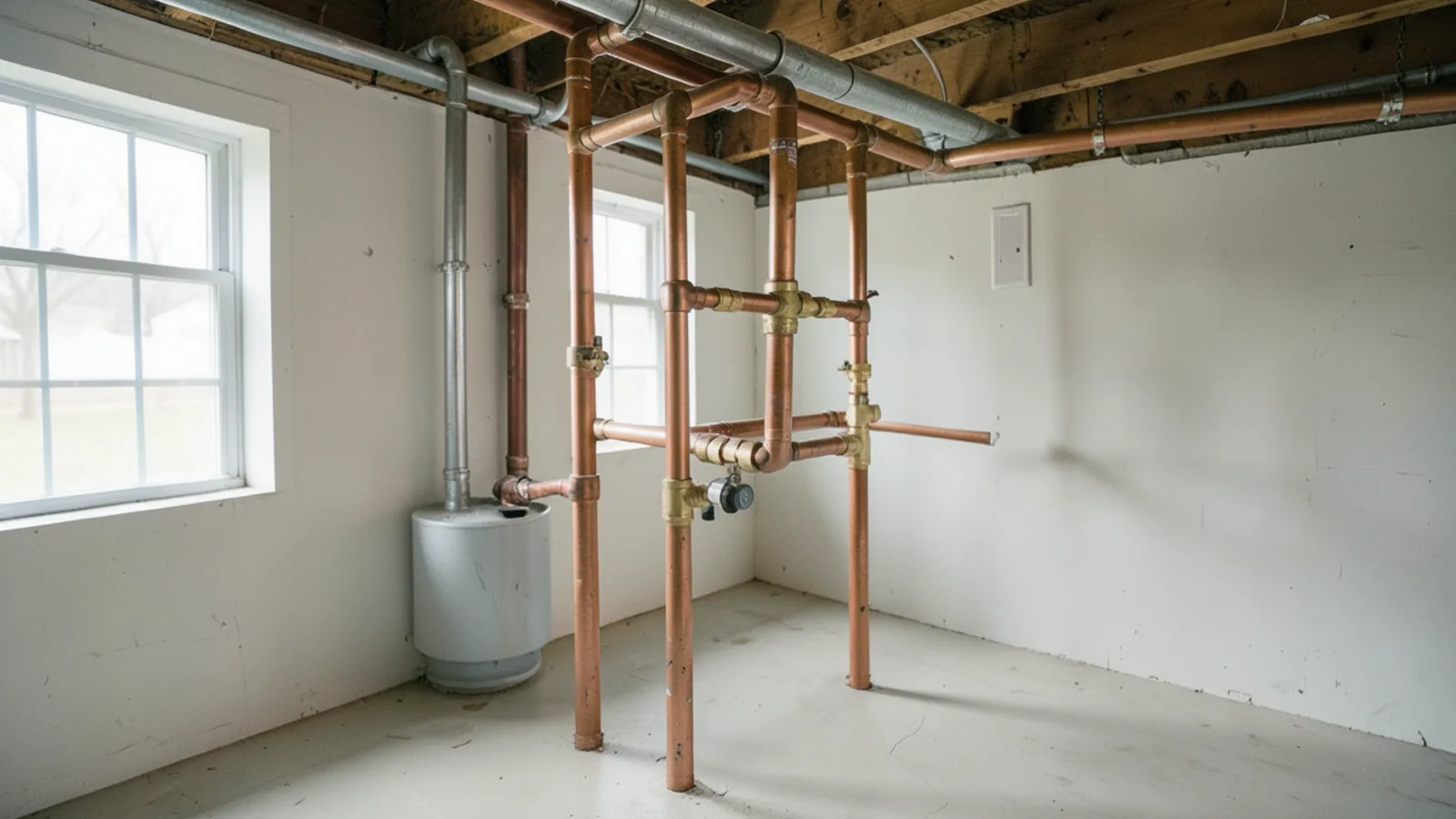
Below-grade basement plumbing forms the mechanical foundation of your home's entire drainage and domestic water infrastructure. Based at 220–290 Hawthorn Road in Vernon Hills, our plumbers specialize in floor drain clearing, trap primer retrofits, laundry line routing, and code-compliant rough-in plumbing for finished basement bathrooms under the Illinois Plumbing Code (77 Ill. Adm. Code 890).
In Vernon Hills homes built throughout the 1980s, 1990s, and 2000s, basement utility rooms and subterranean living spaces experience unique hydraulic dynamics. Basement floor drains serve as the primary relief mechanism during water heater discharge or appliance overflows. However, during dry winter heating seasons, furnace airflow evaporates the water barrier inside floor drain P-traps, allowing dangerous sewer gas (methane and hydrogen sulfide) to seep upward into the home. Furthermore, homeowners finishing basements with additional bedrooms, wet bars, and full bathrooms must carefully navigate sub-slab drainage pitch, venting loops, and sewage lifting requirements. Our team brings deep local knowledge of Vernon Hills slab construction, concrete cutting standards, and Lake County wastewater dynamics to every basement project.
What Our basement plumbing Vernon Hills Scope Includes:
- Clearing slow or backed-up basement floor drains using mechanical rodding equipment
- Automatic trap primer valve installations keeping drain P-traps continuously hydrated
- Sub-slab underground rough-in plumbing for basement bathroom additions and wet bars
- Laundry standpipe installations, utility sink hookups, and lint-trap drainage
- Backwater valve retrofits on main building drains preventing municipal sewer backup
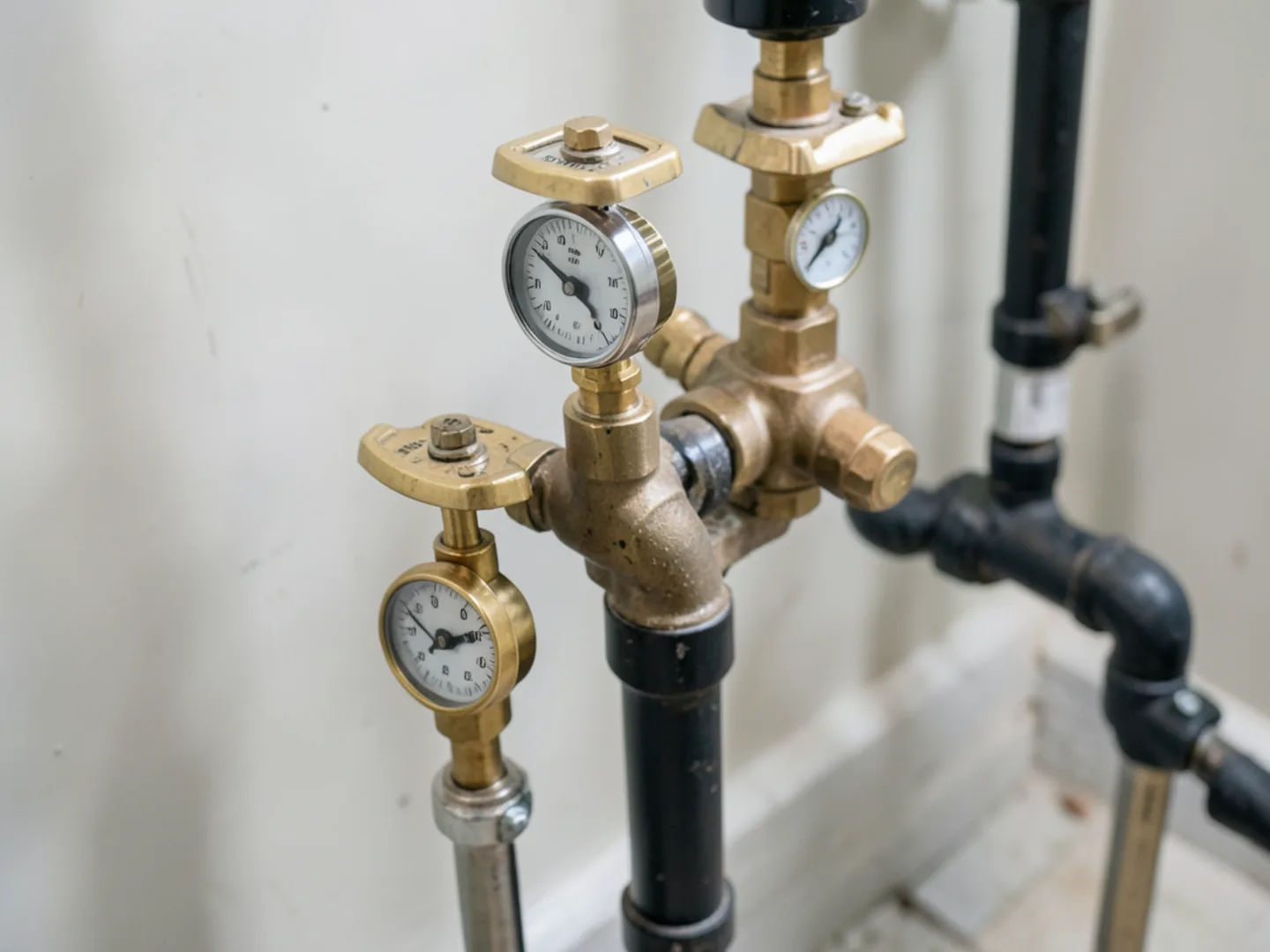
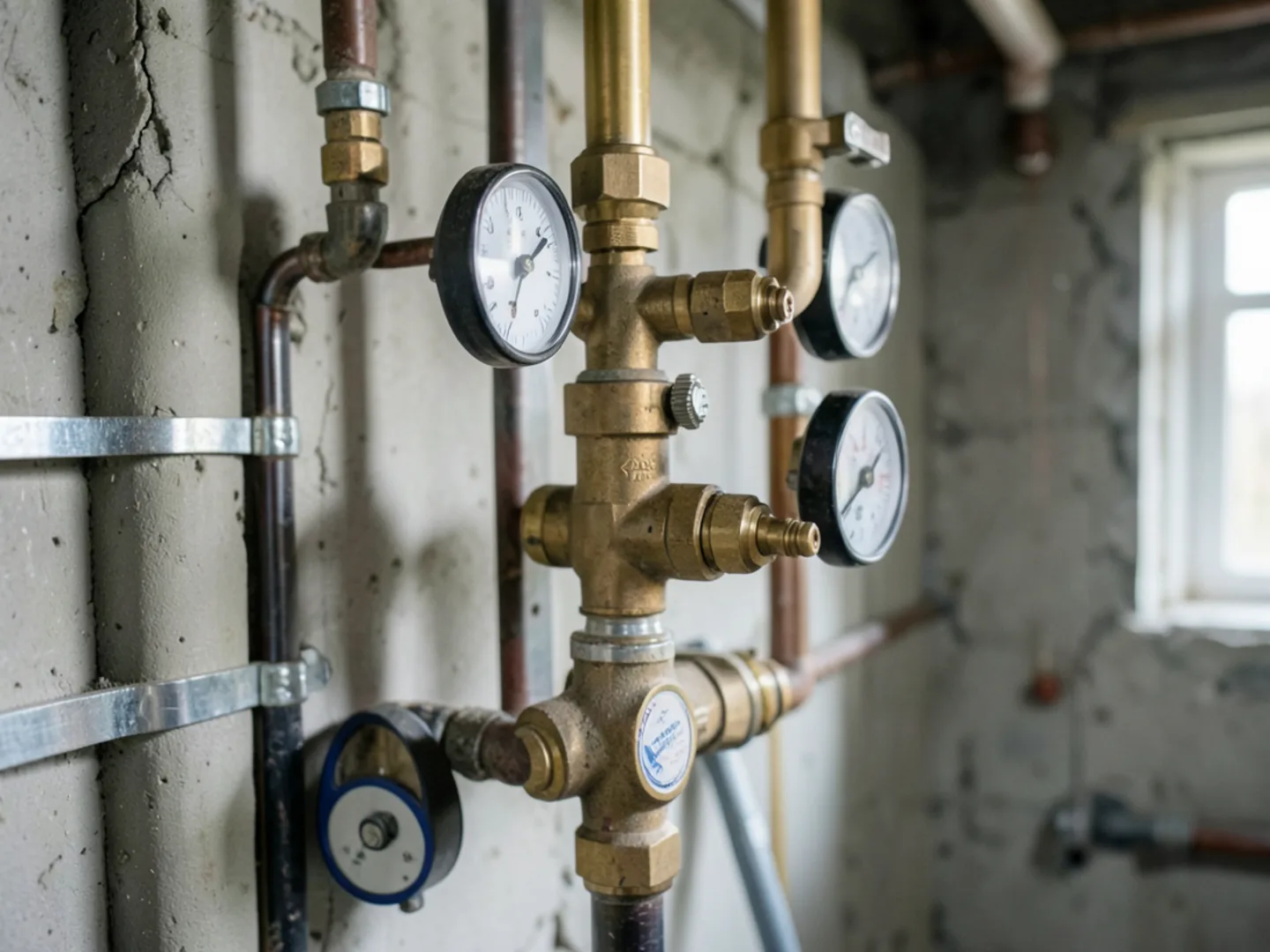
- Water heater expansion tank mounting and temperature-pressure relief drain lines
Common Subterranean Plumbing Challenges in Vernon Hills
Operating below grade introduces severe environmental and mechanical factors that do not affect above-ground fixtures:
Dry Floor Drain P-Traps & Sewer Gas
Without regular water replenishment, water seals inside below-slab P-traps evaporate in dry heated air, permitting volatile sewer gases to enter living spaces.
Clay Soil Settlement & Concrete Slab Movement
Seasonal moisture fluctuations in Lake County's dense clay soils cause minor foundation shifts, placing mechanical stress on rigid cast-iron or PVC pipes embedded beneath basement concrete.
Laundry Lint & Detergent Sludge Accumulation
Washing machine discharge lines carry heavy concentrations of synthetic lint and congealed soap fats that settle inside flat basement drain branches, restricting flow.
Improper Basement Fixture Venting
Adding basement fixtures without connecting to a dedicated atmospheric vent creates hydraulic siphoning that pulls water out of neighboring fixture traps, releasing foul odors.
Basement Flood Protection Systems Compared
Evaluate how primary sumps, ejector pumps, backwater valves, and overhead sewers protect below-grade living spaces:
| Flood Defense System | What It Protects Against | Installation Disruption | What to Verify Locally |
|---|---|---|---|
| Primary Sump Pump with Battery Backup | Rising groundwater tables entering foundation drain tiles from heavy rain or snowmelt. | Low (contained within existing basement sump basin). | Verify pit depth, dual float switches, and AGM battery capacity for prolonged storm outages. |
| Sewage Ejector Pump | Lifts blackwater sewage from basement bathroom fixtures up into municipal gravity line. | Moderate (requires gas-tight sealed pit and dedicated vent line to roof). | Check vent pipe integrity and non-clog vortex impeller condition. |
| Mainline Backwater Valve | Municipal combined or sanitary sewer main surcharges backing up into basement floor drains. | Moderate (excavation of interior basement concrete slab near exit lateral). | Ensure clear access chamber cover for semi-annual gate flapper inspection. |
| Full Overhead Sewer Conversion | Complete protection against city sewer surcharge flooding basement floor drains. | High (rerouting all basement waste into pump basin and lifting overhead to exit wall). | Check village municipal rebate programs (e.g. Libertyville/Gurnee flood assistance). |
| Floor-Drain Plug or Standpipe | Temporary mechanical barrier against shallow basement floor drain backups. | Zero installation disruption (screws into floor drain threads). | Does not protect foundation perimeter or basement laundry sinks; temporary measure only. |
Need Reliable basement plumbing Vernon Hills?
Speak with an experienced plumbing technician dispatched directly from our Hawthorn Road facility in Vernon Hills. Honest evaluations, code-compliant workmanship.
Our On-Site Diagnostic & Installation Procedure
1. Sub-Slab Acoustic & Camera Inspection
We insert high-definition fiber-optic cameras through cleanouts to evaluate pipe condition, check for silt accumulation, and verify correct fall slope.
2. Precision Concrete Sawing & Trenching
When installing new subterranean waste piping, we use dust-controlled diamond saw cutters to make clean slab penetrations without fracturing adjacent foundation concrete.
3. Sub-Grade Waste & Vent Rough-In
We lay schedule 40 PVC DWV piping at a minimum pitch of 1/4 inch per foot, tie in necessary cleanouts, and route dedicated atmospheric vent stacks per 77 Ill. Adm. Code 890.
4. Trap Primer & Floor Drain Installation
We install heavy-duty cast-iron or PVC floor drains equipped with automatic pressure-drop trap primers that replenish trap water each time nearby fixtures cycle.
5. Hydraulic Head Pressure Testing & Slab Restoration
We cap the system, fill lines with water to test under static head pressure for zero leaks, bed pipes in gravel, pour matching compressive-strength concrete, and finish smooth.
Basement Plumbing Project Cost Determinants
Costs for basement plumbing repairs and remodeling installations reflect excavation, piping scope, and municipal code requirements:
- Concrete Excavation & Trenching: Saw-cutting, jackhammering, and removing concrete slabs to lay new sub-grade piping requires specialized labor and debris disposal.
- Below-Slab vs Overhead Drainage: Connecting to an existing sub-slab gravity drain requires less mechanical hardware than installing a new sewage ejector basin and overhead lift system.
- Venting Architecture: Tying into existing main roof stacks versus penetrating finished exterior walls to establish new code-compliant atmospheric venting loops.
- Permit Filings & Inspection Fees: The Village of Vernon Hills requires plan review and multiple on-site inspections for below-slab rough-in plumbing alterations.
Village of Vernon Hills Basement Permitting Standards
Under Village of Vernon Hills Community Development Department (290 Evergreen Drive) regulations, any modification to underground drainage, bathroom additions, or floor drain relocations requires a building permit. Inspections are conducted before trenches are backfilled with concrete to certify proper pipe slope, joint integrity, and code compliance pursuant to 77 Ill. Adm. Code 890.
Why Vernon Hills Homeowners Trust Our Basement Plumbing Specialists
Hawthorn Road Dispatch Hub
Located at 220–290 Hawthorn Road in Vernon Hills, our team is positioned to handle basement emergencies and renovation projects across Lake County.
Dust-Controlled Concrete Work
We utilize dust-suppression diamond sawing and negative-air containment when cutting basement slabs to keep living spaces spotless.
Trap Primer Expertise
We eliminate recurring basement odors permanently by engineering code-approved automatic trap primers on all floor drains.
Mastery of Illinois Plumbing Code
Every rough-in, vent loop, and drain connection is installed strictly adhering to 77 Ill. Adm. Code 890 guidelines.
Related Plumbing Services & Specific System Alternatives
Explore related service options to ensure your specific residential plumbing intent is addressed:
Service Availability in Nearby Communities
Dispatched daily from Hawthorn Road to homes and commercial properties in:
Frequently Asked Questions: basement plumbing Vernon Hills
Why does my basement floor drain smell like rotten eggs?
A sewer smell typically indicates the water trap inside the floor drain has dried out due to evaporation. Without water in the P-trap, sewer methane flows directly into your basement. Pouring a gallon of water down the drain restores the liquid barrier temporarily, but installing an automatic trap primer valve provides a permanent code-compliant solution.
Can I add a full bathroom to my basement in Vernon Hills?
Yes. Depending on the depth of your existing sanitary sewer lateral, we either tie the new bathroom fixtures directly into the below-slab gravity drainage or install a sealed sewage ejector pump system to lift wastewater up to the overhead sewer main.
What is an automatic trap primer and do I need one?
An automatic trap primer is a mechanical valve connected to a nearby cold water line (such as a laundry sink faucet or toilet supply). Every time that fixture is used, the primer diverts a few ounces of fresh water directly into the basement floor drain trap, ensuring it never dries out and leaks sewer gas.
How do I prevent basement floor drains from backing up during storms?
We recommend installing an inline backwater check valve or a flood gate assembly on your main sewer lateral. During municipal storm surcharge events, the backwater valve automatically seals shut, preventing street wastewater from entering through your floor drains.
Do I need a building permit to finish or plumb a basement in Vernon Hills?
Yes. The Village of Vernon Hills Community Development Department requires permits for all basement plumbing rough-ins, bathroom additions, and drainage modifications. Inspections are performed before the trenches are filled with concrete and at final trim.
What is the best way to connect washing machine drains in a basement?
Under 77 Ill. Adm. Code 890, washing machines require a minimum 2-inch drain standpipe with an individual P-trap and dedicated atmospheric venting. Discharging laundry hoses directly into an open floor drain is a code violation that creates foaming overflows.